By George Kahumaku, Jr.
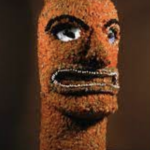
In 1977, I traveled to England with a delegation of about 16 Hawaiians led by Haunani Apoliona, Aunty Edith Kanakaʻole, and others from Alu Like. Our mission included receiving Hawaiian cultural treasures taken from the islands generations earlier, including feathered capes, calabashes filled with feathers, and a representation of the god Kūkāʻilimoku adorned with red and black feathers and dog teeth. We brought these treasures home to Hawaiʻi and entrusted them to the Bishop Museum.
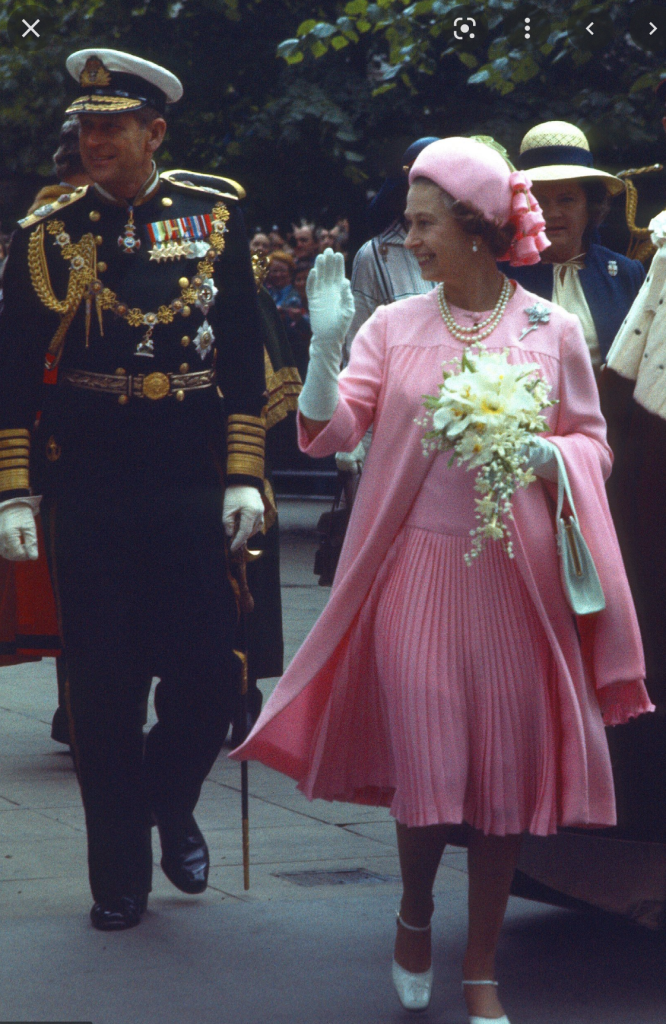
During a reception, I introduced myself to Queen Elizabeth II. When I said my name was George Kahumoku, she surprised me by saying, “We have a record that mentions a Kahumoku in Captain Vancouver’s log.”
She asked if I was from Kona, near Kealakekua, and invited me to view the original log the following morning.
The next day, the Queen met me at the archives, where a librarian carefully opened the enormous, fragile volume. We found an entry describing a young Hawaiian named Kahumoku who reportedly jumped into icy waters near Nova Scotia and saved a ship’s first mate. Another entry told of Captain Vancouver sharing the story with King George, who honored the young man with the name George Kahumoku.
According to the account we were shown, this was the first George Kahumoku in our family. I am number eight.
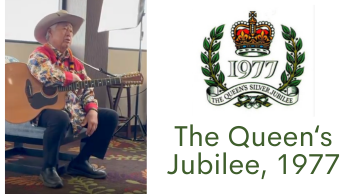
Later, I performed for the Queen’s Silver Jubilee, playing “The Queen’s Jubilee,” a composition by Queen Liliʻuokalani written for Queen Victoria’s Golden Jubilee in 1887. I traveled to England to help bring Hawaiian treasures home and share our culture. I returned with something unexpected: a remarkable story connecting my family to Hawaiʻi’s past.
Sometimes, the most meaningful discoveries are the ones we never knew we were looking for.